
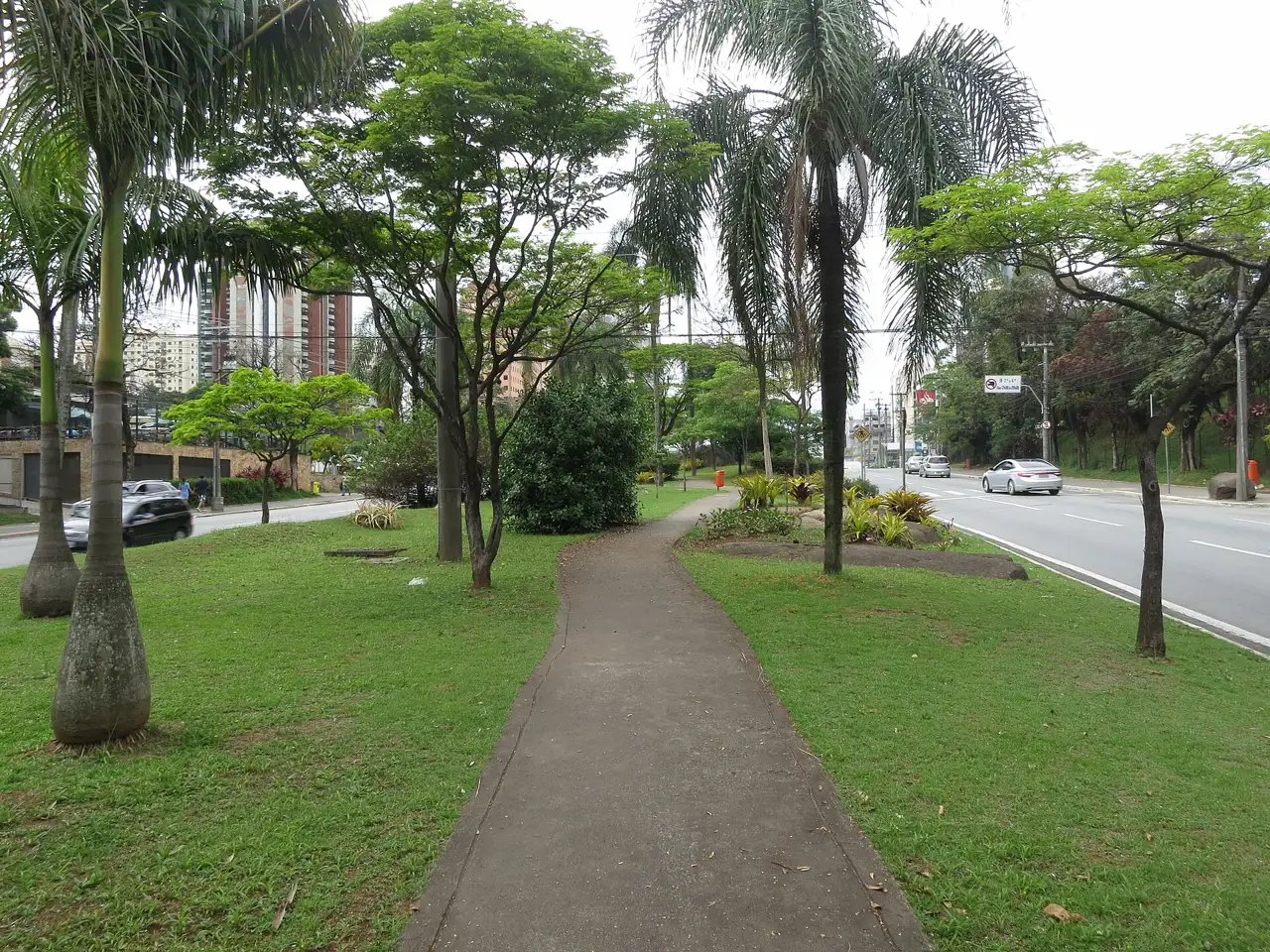

Security is one of the reasons most often cited by those who choose Alphaville. It results from a dedicated structure: most residential communities are managed by homeowners' associations, which handle gatehouses, security patrols, maintenance and community rules. Understanding this model avoids surprises when buying, renting or renovating.
Homeowners' Associations, Not Condominiums
Many residential communities in Alphaville and Tamboré are subdivisions (loteamentos) rather than condominiums as defined by the Brazilian Civil Code. According to an article published in 2019 on the Jus.com.br portal, the difference is important:
- In a condominium, all areas are private, the rules are set out in the condominium declaration, and representation is handled by the building manager (síndico).
- In a subdivision, the lots are private, but streets, squares and institutional areas belong to the municipality. The homeowners' association has legal personality, and its rules are set out in its bylaws.
Barueri (Law No. 2.360/2014) and Santana de Parnaíba (Law No. 2.071/1998) regulate the granting of the real right of use of these public areas to the associations for a renewable term of 49 years. The associations' obligations include controlling the entry of people, maintaining the granted areas, maintaining the perimeter wall and paying the taxes levied on them. The municipality is responsible for oversight, garbage collection and street lighting.
Access Control and Visitors
Gatehouses register residents, visitors and service providers. The same article notes that Federal Law No. 6.766/1979, Article 2, § 8, prohibits preventing access by non-resident pedestrians or drivers, provided they are duly identified or registered. In practice, this means that identification at the gatehouse is the rule.
Procedures vary from one community to another: some use authorization apps, while others require prior registration of service providers and vehicles. Before moving in, ask the association for the current rules.
Construction, Moving and Community Living
Each association has its own regulations for construction, setbacks, height limits, working hours, truck access and moves. These rules are set by the association and may change by decision of the general assembly. Therefore:
- Request the construction regulations before buying a lot or a house you intend to renovate.
- Check whether the project requires prior approval from the association, in addition to the city government.
- Confirm schedules and procedures for moving and material deliveries.
Association Fees: What the Courts Say
Maintenance of the infrastructure is funded by members' contributions, set according to the bylaws. Charging non-members has been widely debated in the courts. According to the Instituto de Registro Imobiliário do Brasil (IRIB), the Federal Supreme Court (STF) established, in Theme 492, that charging a maintenance fee to a non-member owner is unconstitutional until the entry into force of Law No. 13.465/2017 or of an earlier municipal law governing the matter. The Superior Court of Justice (STJ), in turn, has held the charge valid when the buyer agreed to it in the contract.
In short, buyers should check whether the contract and the property's registration record (matrícula) mention the association and the fee. This page does not replace legal advice.
What to Check Before Buying or Renting
- The association's bylaws and internal regulations.
- The amount and frequency of the fee, and whether the property has any outstanding debts.
- Construction and use rules, including for professional activities at home.
- Access procedures for visitors, service providers and deliveries.
- The municipality where the community is located, as IPTU and public services follow the corresponding city government.
The security of a residential community depends on the whole: gatehouse, patrols, lighting, resident participation and compliance with the rules. Talking with the association's management and visiting the site at different times of day helps build a more complete picture.
More in Living in Alphaville
Sources consulted (4)
- Jus.com.br - Alphaville and region: day-to-day life of property owners' associations (2019) (jus.com.br)
- Jus.com.br - Alphaville and region: day-to-day life of property owners' associations, p. 2 (jus.com.br)
- IRIB - Maintenance fee in subdivisions: buyer's consent and Law 13.465/2017 (irib.org.br)
- Exame - Como é morar em Alphaville (Jun. 2024) (exame.com)
Information verified on 30/10/2026. Found something outdated? Let our team know.