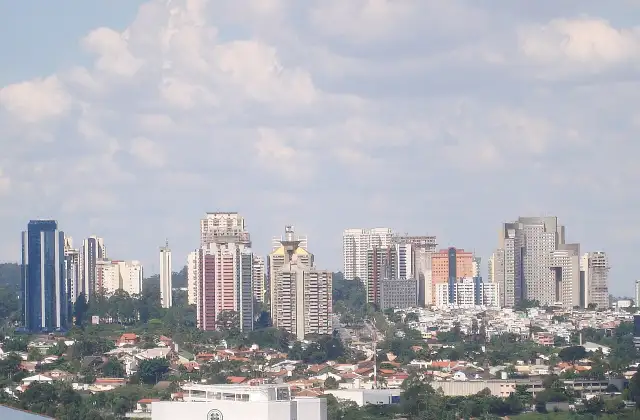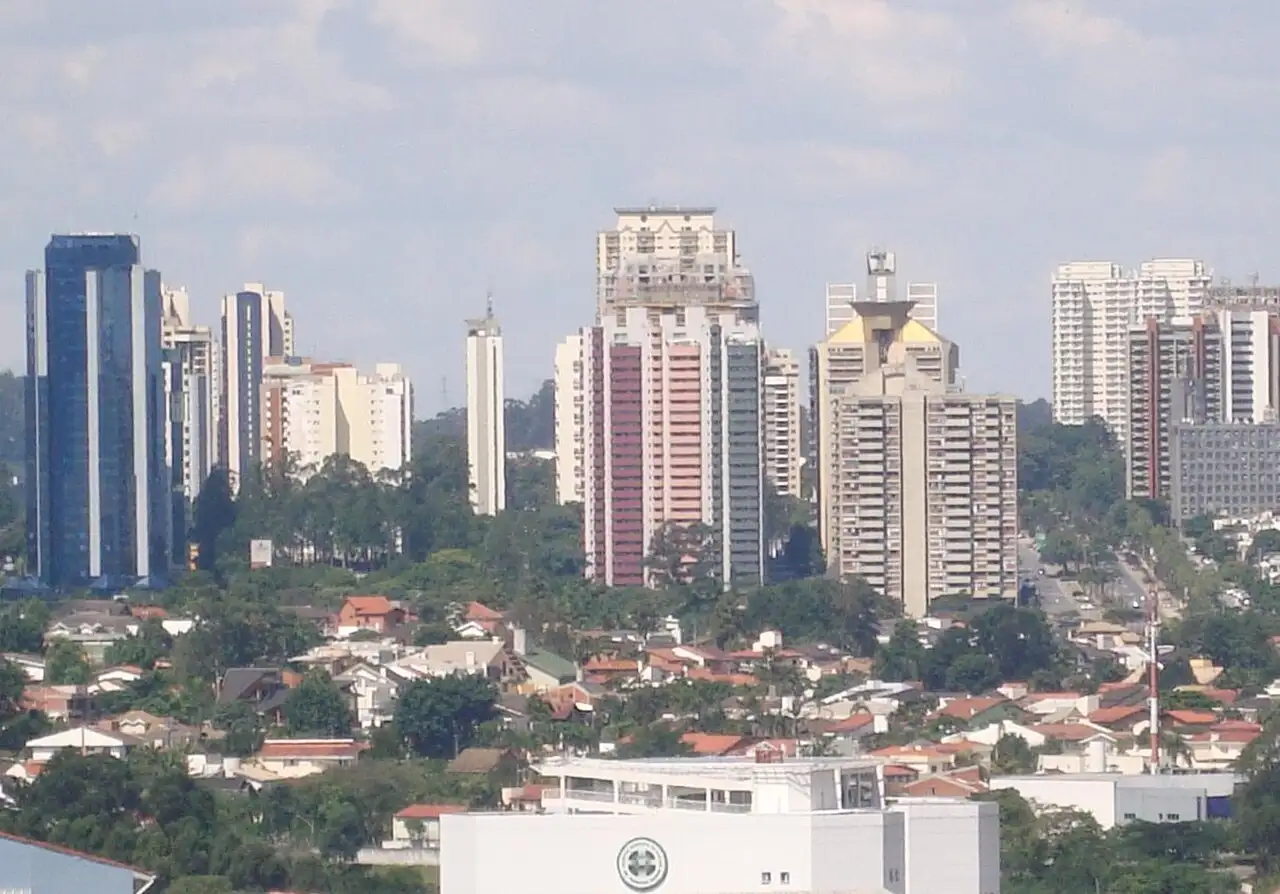
Alphaville was born in Barueri. It was along the Rodovia Castello Branco, on land that had once belonged to the old Fazenda Tamboré, that the builder Albuquerque, Takaoka broke ground in September 1973 on the planned neighborhood that would become one of the country's benchmark master-planned communities. Today Alphaville also extends into Santana de Parnaíba, but it is on the Barueri side that you will find the first residencial, the Alphaville Tênis Clube and a significant part of the business infrastructure that drives the region.
How Alphaville Began
According to the history published by the Associação Residencial Alphaville Um, the chosen site was 23 km from Praça da Sé and 14 km from Avenida Faria Lima. The original idea was a business center that would move offices and warehouses out of the capital and ease traffic. Interest from Hewlett-Packard helped bring residential enclaves for executives into the project, and companies such as Confab, DuPont and Sadia also supported the initiative. At the time, the association notes, Barueri had about 60,000 inhabitants and was regarded as a bedroom community.
The engineers Renato de Albuquerque and Yojiro Takaoka, classmates at the Escola Politécnica of USP, had founded the construction company in 1951. In the 1990s, the Alphaville projects came to be managed by Alphaville Urbanismo, which took the model to other cities across Brazil.
The Residenciais on the Barueri Side
Alphaville's residenciais (gated residential enclaves) are identified by numbers, and each has its own homeowners' association, responsible for the gatehouse, maintenance and common areas. On the Barueri side, these are the cases confirmed by official sources:
- Residencial 1 (Alpha Um): the first in the neighborhood, created in 1979, according to the association. Its headquarters is on Alameda Rio Negro, and resident members enjoy internal access to the Alphaville Tênis Clube.
- Residencial 2: the Associação Residencial Alphaville 2, located on Alameda Mamoré, was founded in 1980, according to Ipea's Map of Civil Society Organizations.
- Residencial Zero: established in the mid-1980s, it comprises about 400 homes on approximately 600,000 m². The first phase, with 355 lots, went on sale in 1986 and lies in Barueri; the second, launched in 1988, has 195 lots in Santana de Parnaíba. The Residencial Zero association describes it as the only development in the region spanning two municipalities.
Leisure and Community Life
The Alphaville Tênis Clube, founded in 1977, is located on Alameda Paris, inside Residencial 1, according to Ipea's registry. Within Alpha Um itself, the association maintains Praça São Pedro, with leisure and sports facilities, a mini-market and a 24-hour ambulance service.
At Residencial Zero, the association lists plazas and gathering areas, children's playgrounds, tennis courts, a multi-sport court and a paddle court, a jogging track and a clubhouse. This layout, with leisure areas inside the residencial itself, is common in Alphaville and part of everyday life for its residents.
Shopping, Services and Access
The Alphaville area includes a business hub known as Centro Comercial Alphaville, as well as the Iguatemi Alphaville shopping mall, the Alphaville unit of Hospital Albert Einstein and schools such as Colégio Objetivo and Mackenzie, according to a report by Exame. The Rodovia Castello Branco is the main route to the capital and to the other municipalities of Greater São Paulo, and the Rodoanel Mário Covas runs nearby.
Residencial Zero, according to its association, is close to Alphaville's commercial district and has several access points to the Castello Branco. The proximity between the residenciais and the office hub has been the neighborhood's founding premise from the very beginning.
Living and Investing in Alphaville, Barueri
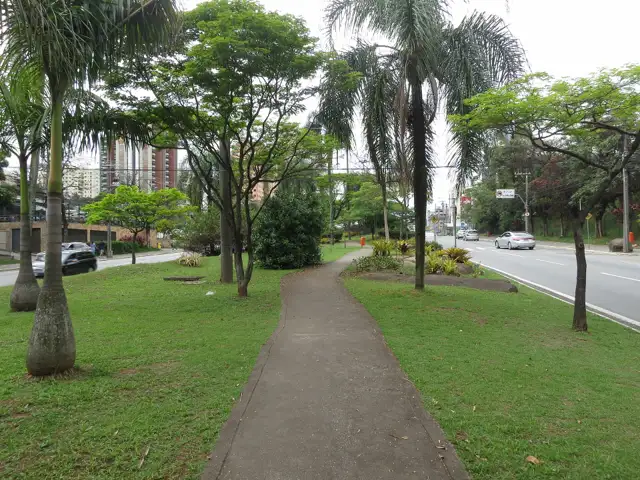
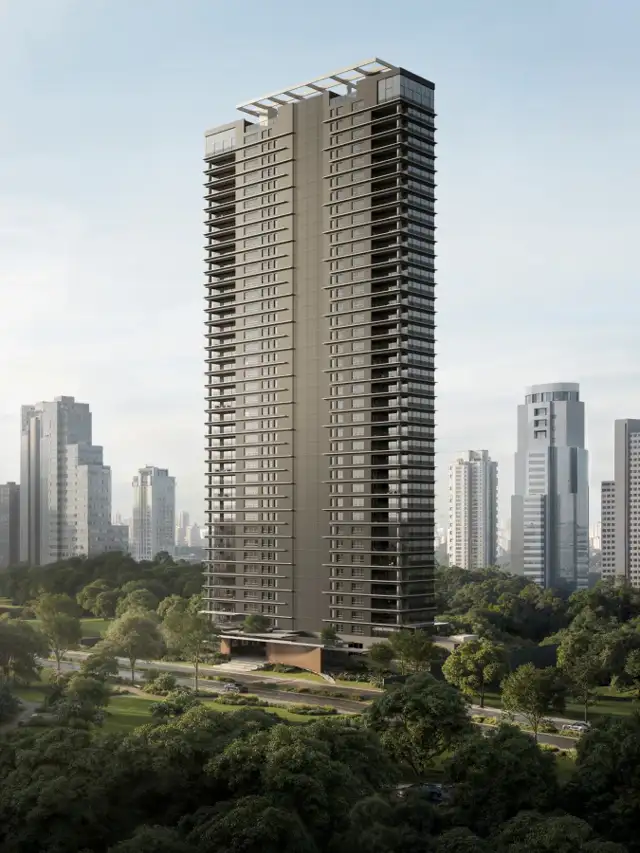
The Barueri residenciais are the oldest in Alphaville. The predominant profile is single-story and two-story homes on generous lots, along tree-lined streets with controlled access, surrounded by a well-established setting with shops, schools, clubs and offices nearby. Around the residenciais, condominium buildings offer an alternative for those who prefer an apartment without leaving the area.
The Barueri side suits families who value having home, school and work close together, executives working at the companies based in Alphaville, and anyone seeking a master-planned neighborhood with history. Before buying, renovating or building, it is advisable to consult the residencial's association: each has its own rules on construction, use of common areas and access, set by its residents.
Each Residential Community
Sources consulted (9)
- Alphaville Um Residential Association — About Alphaville (ara1.org.br)
- Alphaville Um Residential Association — How Alpha Um Began (ara1.org.br)
- Alphaville Um Residential Association (ARA1) (ara1.org.br)
- Alphaville Zero Residential Association — About the Residencial (alphavillezero.org.br)
- Ipea OSC Map — Alphaville 2 Residential Association (mapaosc.ipea.gov.br)
- Ipea OSC Map — Alphaville Tênis Clube (mapaosc.ipea.gov.br)
- Exame — What It's Like to Live in Alphaville (exame.com)
- Wikipedia — Alphaville (Barueri and Santana de Parnaíba) (pt.wikipedia.org)
- Wikipedia — Albuquerque & Takaoka (en.wikipedia.org)
Information verified on 30/10/2026. Found something outdated? Let our team know.